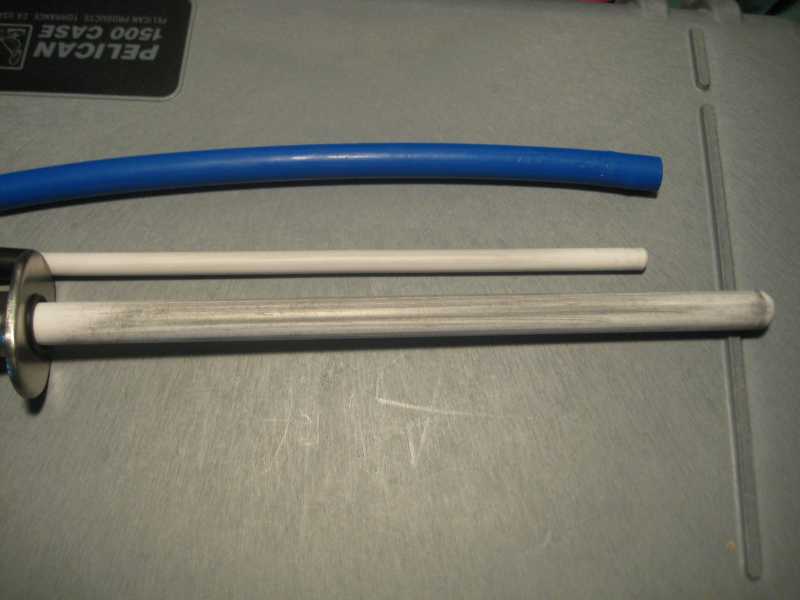
This is an interesting definition of the different types of steel:
“One Knife Sharpener tool is known as a Honing Steel. A Honing Steel is a type of hardened cylindrical rod used similarly to Honing Stones. For example, a Butcher Steel is a round file with the teeth running the long way, while a Packer Steel (used in the meat packing industry) is a smooth, polished Steel rod designed for straightening the turned edge of a knife, and is also useful for burnishing a newly finished edge.”
http://www.kitchenknivesandutensils.com/sharpeners
Another one:
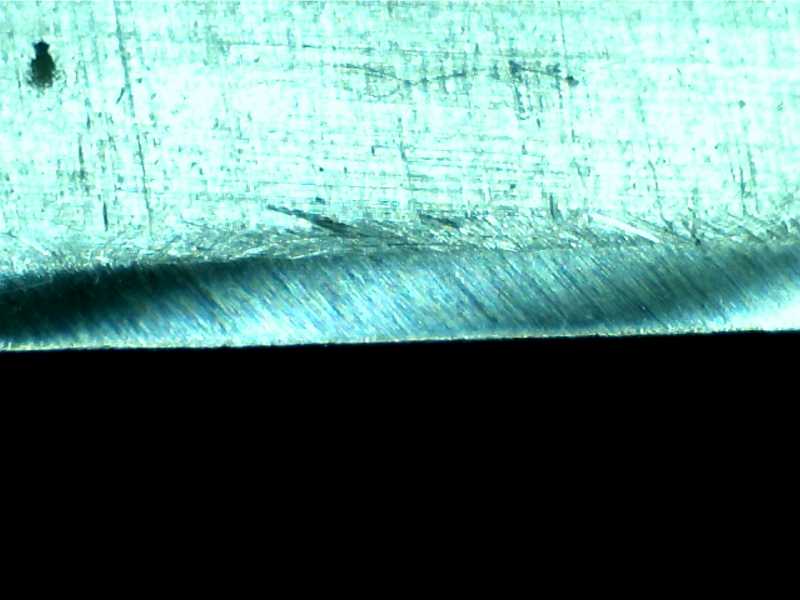
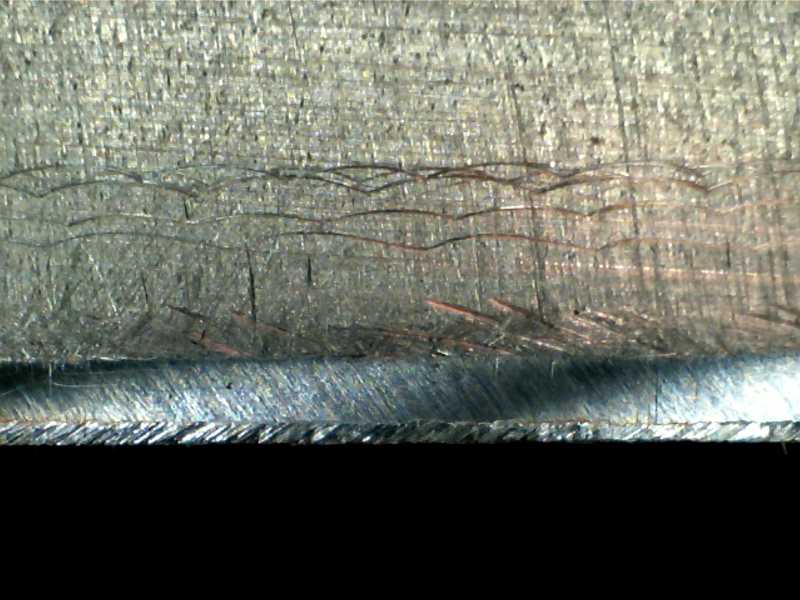
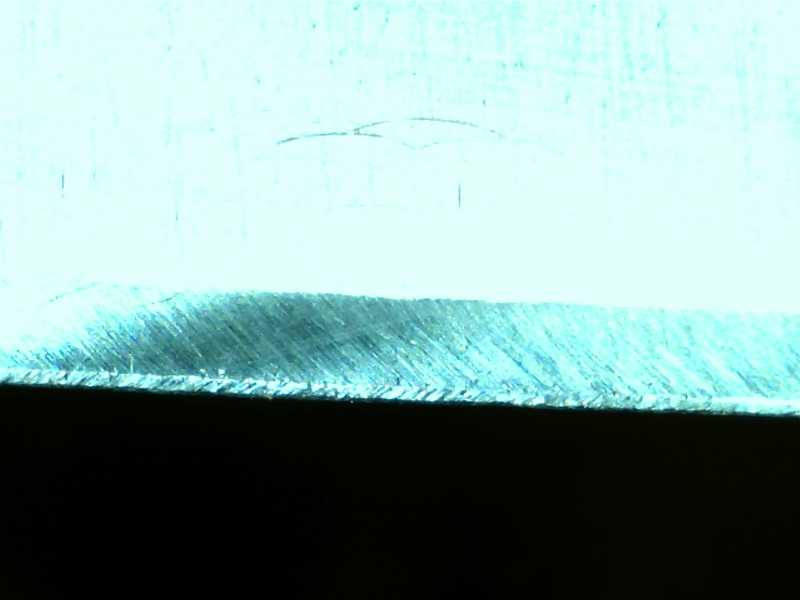
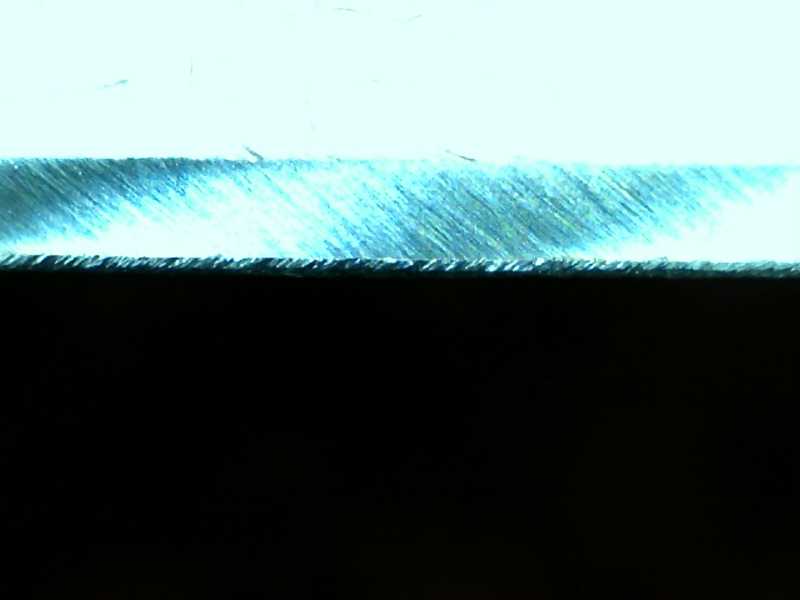
“We will get into the various types of steels in just a moment, but be aware that the grooved steels that come with knife sets do in fact remove metal. A grooved steel acts as a file when used with a heavy hand, knocking microscopic chips out of your edge. At the very least, it is much coarser than the fine abrasive you used to achieve your edge. Steeling heavily with a grooved steel is taking several steps backward. A grooved steel should be used with caution and a very light touch.”
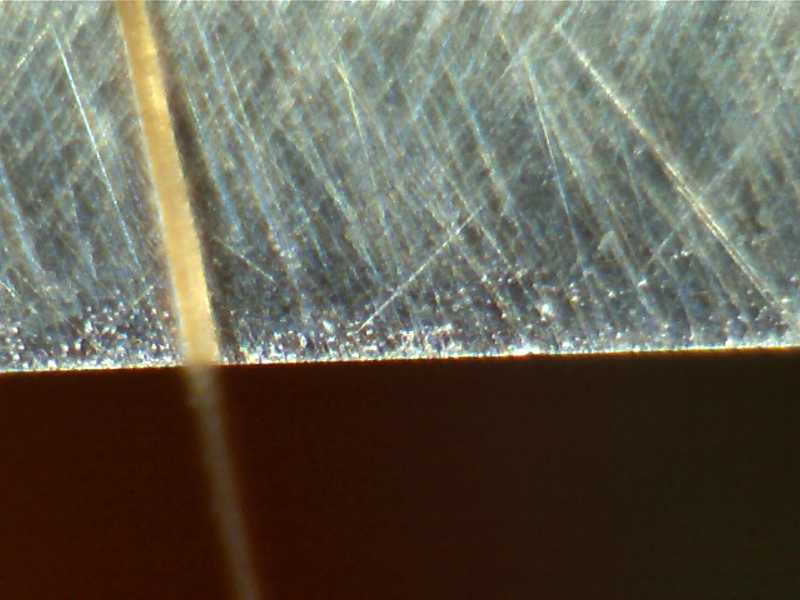
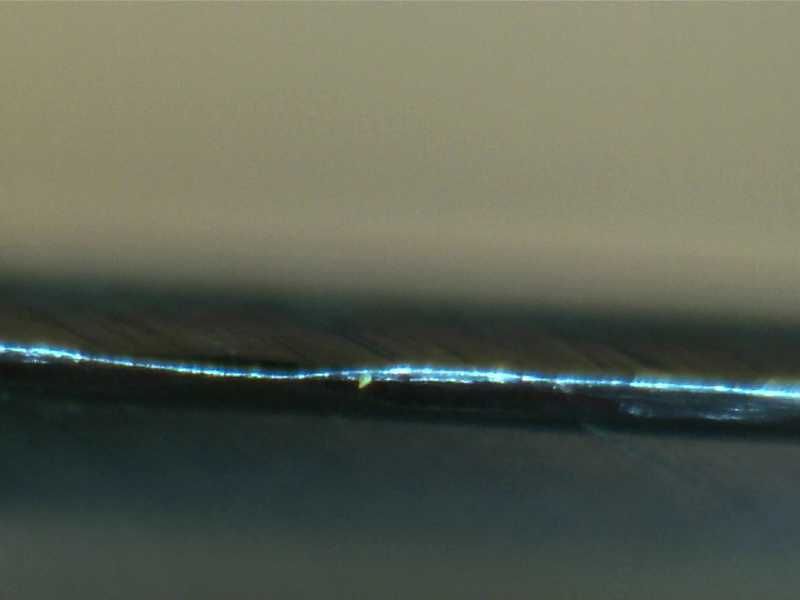
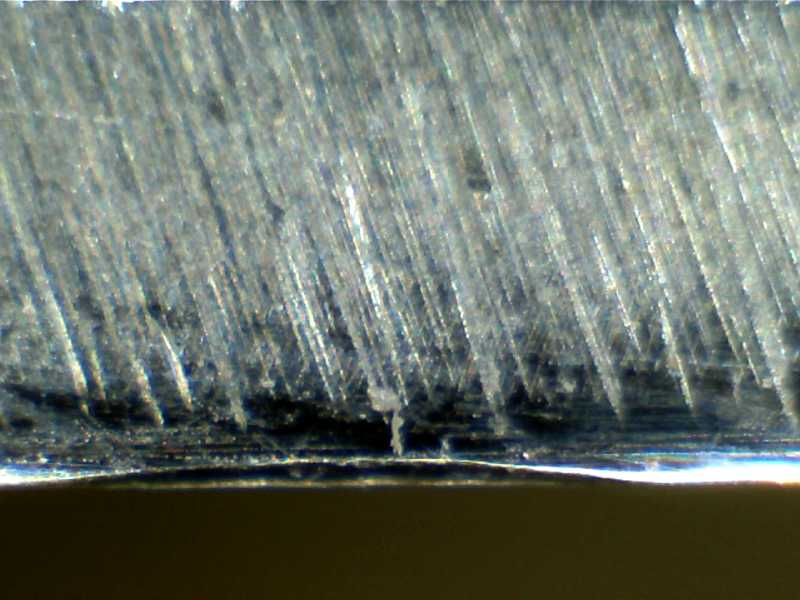
" A steel actually “smears†the edge, teasing out a little more thinness. You’ll have a keener edge, but it will be weaker than the freshly sharpened edge."
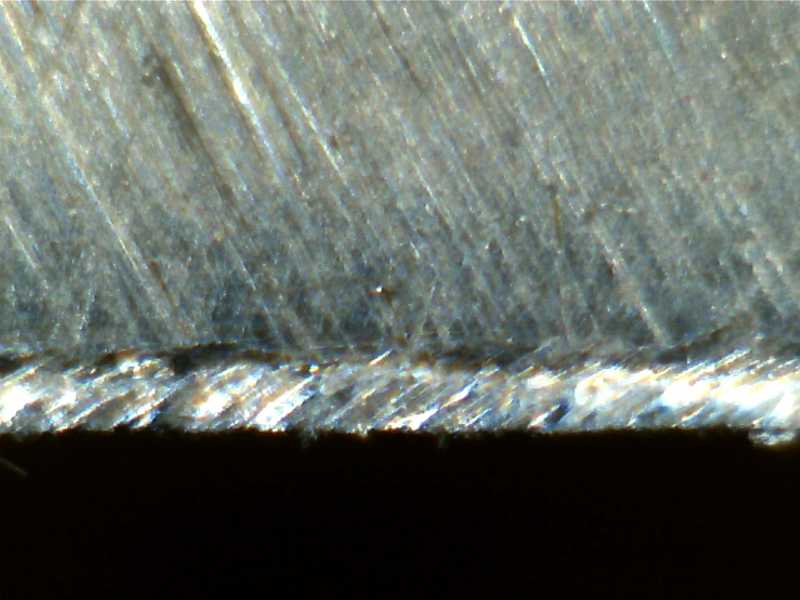
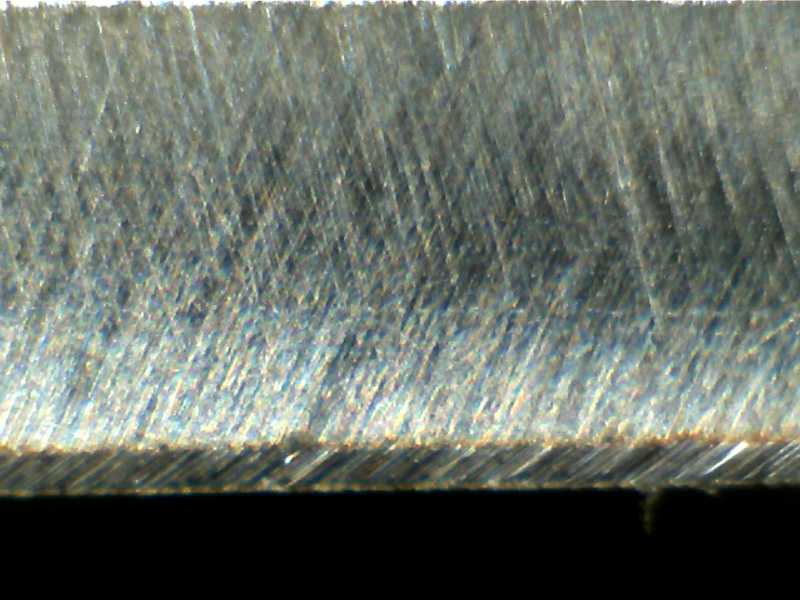
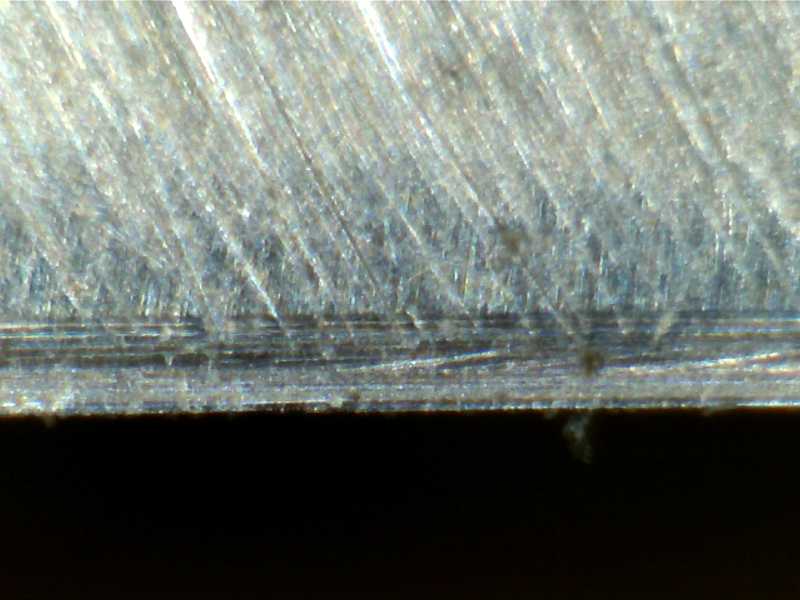
I have seen photo micrographs of edges that have been steeled where the rolled edge was pressed back, folded over and the edge “smeared” to where it cut better.
You can see some examples of a packers steel here:
http://www.amazon.com/Victorinox-Honing-10-Inch-Smooth-Plastic/dp/B000MF469E
http://www.amazon.com/Dick-Packinghouse-Sharpening-Chromium-plated-Stainless/dp/B00063QBI6
This last one is the one I have used (but I put it on the buffer with varying grits until, ending up with jewelers rouge, you can use it as a mirror), though these days I use a bench strop with horse butt leather charged with 1 Micron diamond spray to much better effect for quick touch ups.
John Juranitch author of “Razor Edge Book Of Sharpening”, says that you should never get a steel that you can’t see your reflection clearly in, anywhere close to any knife. I bought his book something over 20 years ago and used his system and concepts up until about 8 months ago when I got my WEPS (and EP and Kalamzoo, and various waterstones, and stops, and submicron spays and pastes :).
What he says makes sense, if you can’t straighten your edge with a smooth steel, you probably need to go back to your stones. Taking a rough file to your blade just seems counterproductive…
even if you just go to the 1000 grit diamond on the WEPS.
One last link about hoing and stropping:
http://zknives.com/knives/articles/wssteeling.shtml
This is an excerpt:
“Steeling(or stropping) is the simplest and the quickest procedure that you can perform to maintain and extend the useful life of your edges, hence the knives themselves. Very simple procedure, however, unfortunately, most of the people never do it, others do it with a wrong tool, which arguably is worse than not steeling at all. I’m talking about the dreaded grooved steel, or butchers steel in other words that comes with every standard cutlery set sold in US and as far as I can tell, in the rest of the world as well.” “The process is absolutely different, sharpening implies removal of the metal, while stropping/steeling does not, it just realigns the deformed metal, for the pedants, yes the small pieces of metal can and will be removed during steeling or stropping, but that is due to the metal fatigue, not because it was intended.”
Not sure if this answers the original question, but hopefully it presents something of interest…
Phil
 ). It is very easy to do touchups of kitchen knives on the WEPS ceramics (provided you gave them a regrind initially and used the depth key and the ruler). It really is only a matter of minutes and I do this about every 2 weeks (for our amateur kitchen). Works very well and the knives are always sharp.
 lol. I love toothy edges myself… and I have seen several edges that Clay has done where he will refine the edge up to a mirror finish and then micro bevel a toothy edge of the edge on it. I actually have a lot of experience with the ceramic rod and I love it… it actually does maintain my edge for a much longer amount of time than if I did not use one, and I don’t have to whip out my WEPS every few days. I actually try to use it about every other time I use my kitchen knives. It does remove a small amount of steel while not removing too much.