Hi all. I’m a very longtime user - purchased pro pack back in 2011 and imported to the UK where I live, so have mostly G1 kit. Back in August last year I posted on here as my original vise jaws were getting a little worn so with some good advice from users here (Marc Hodus, I think, especially) I purchased the new two-part jaws.
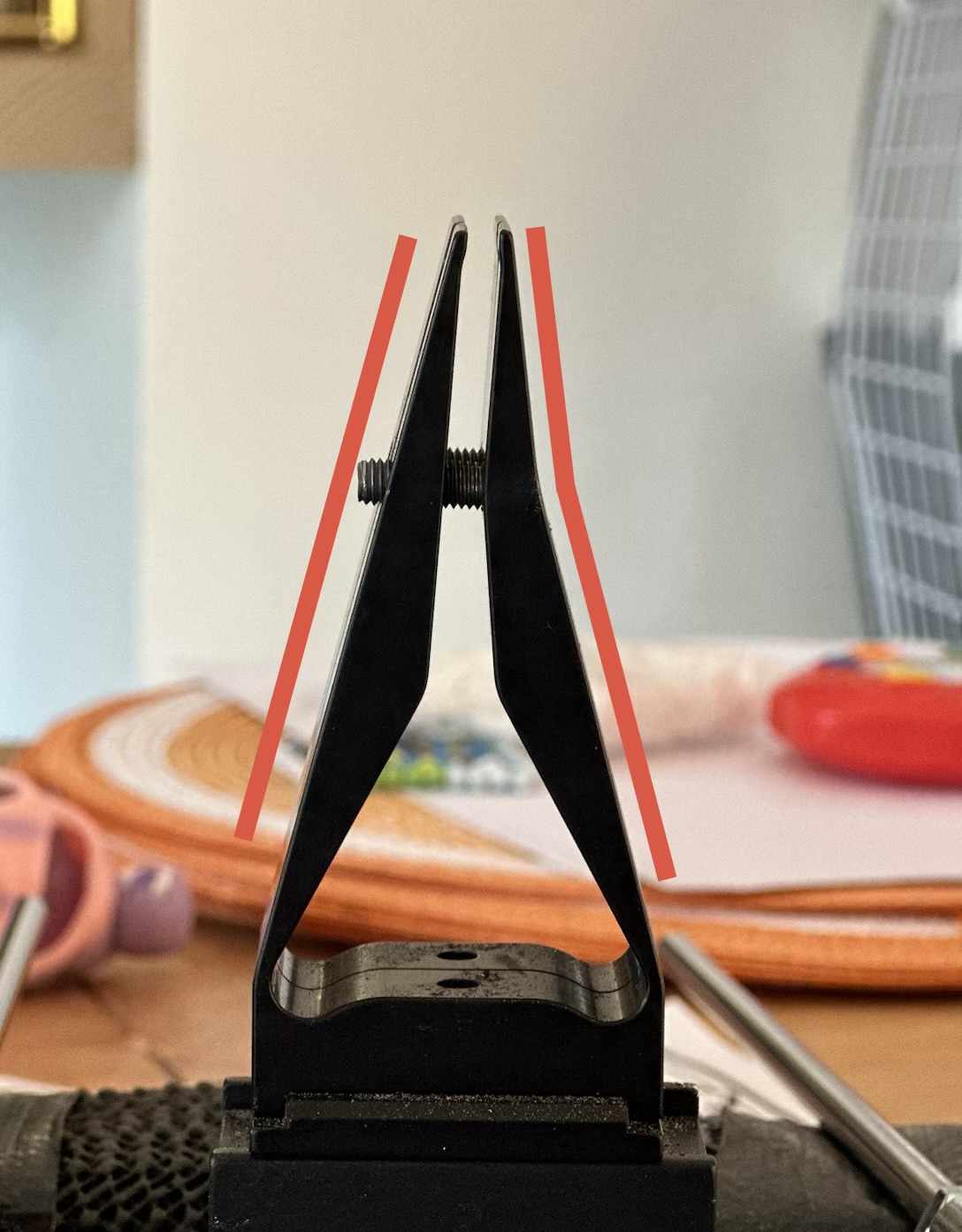
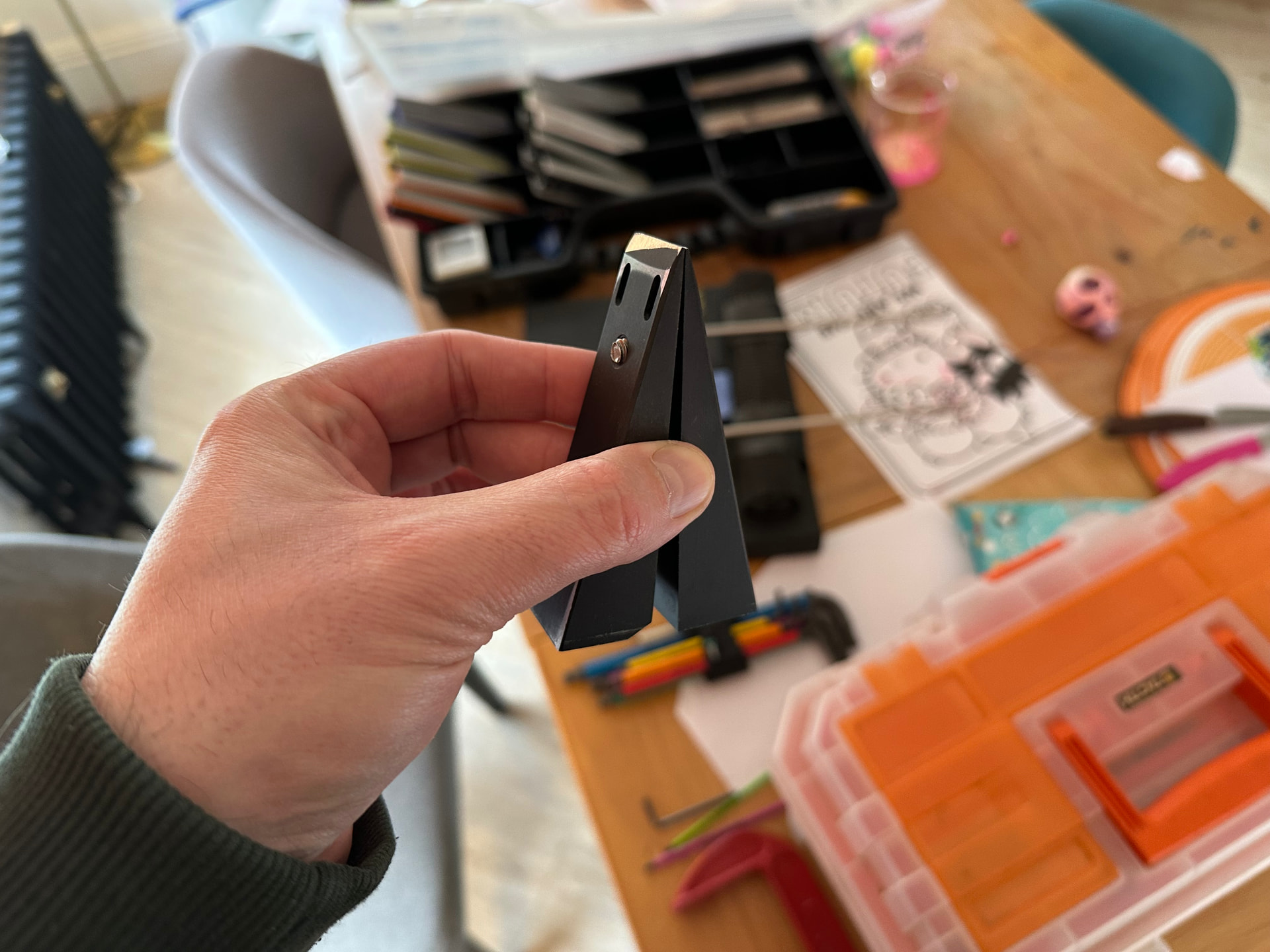
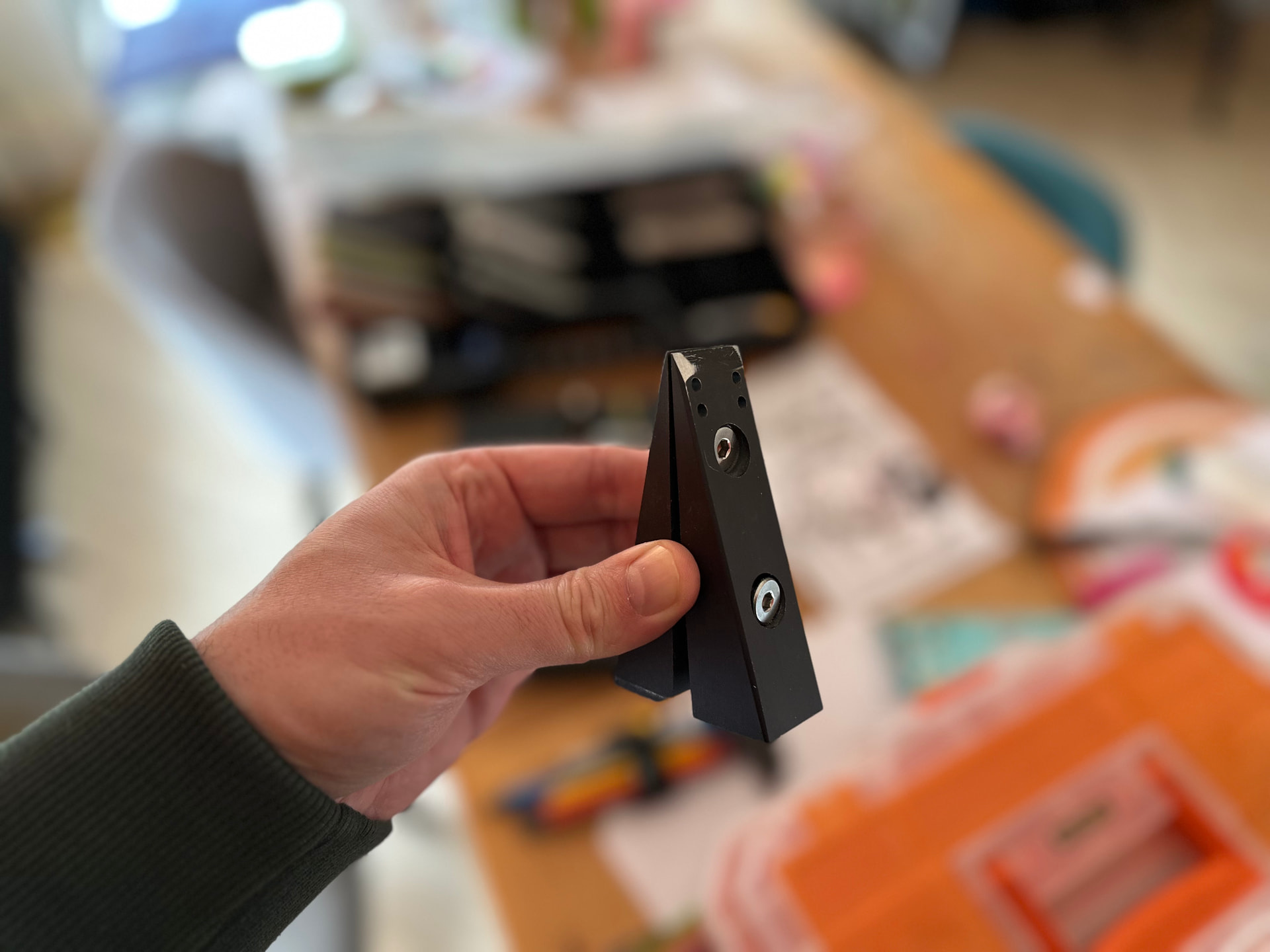
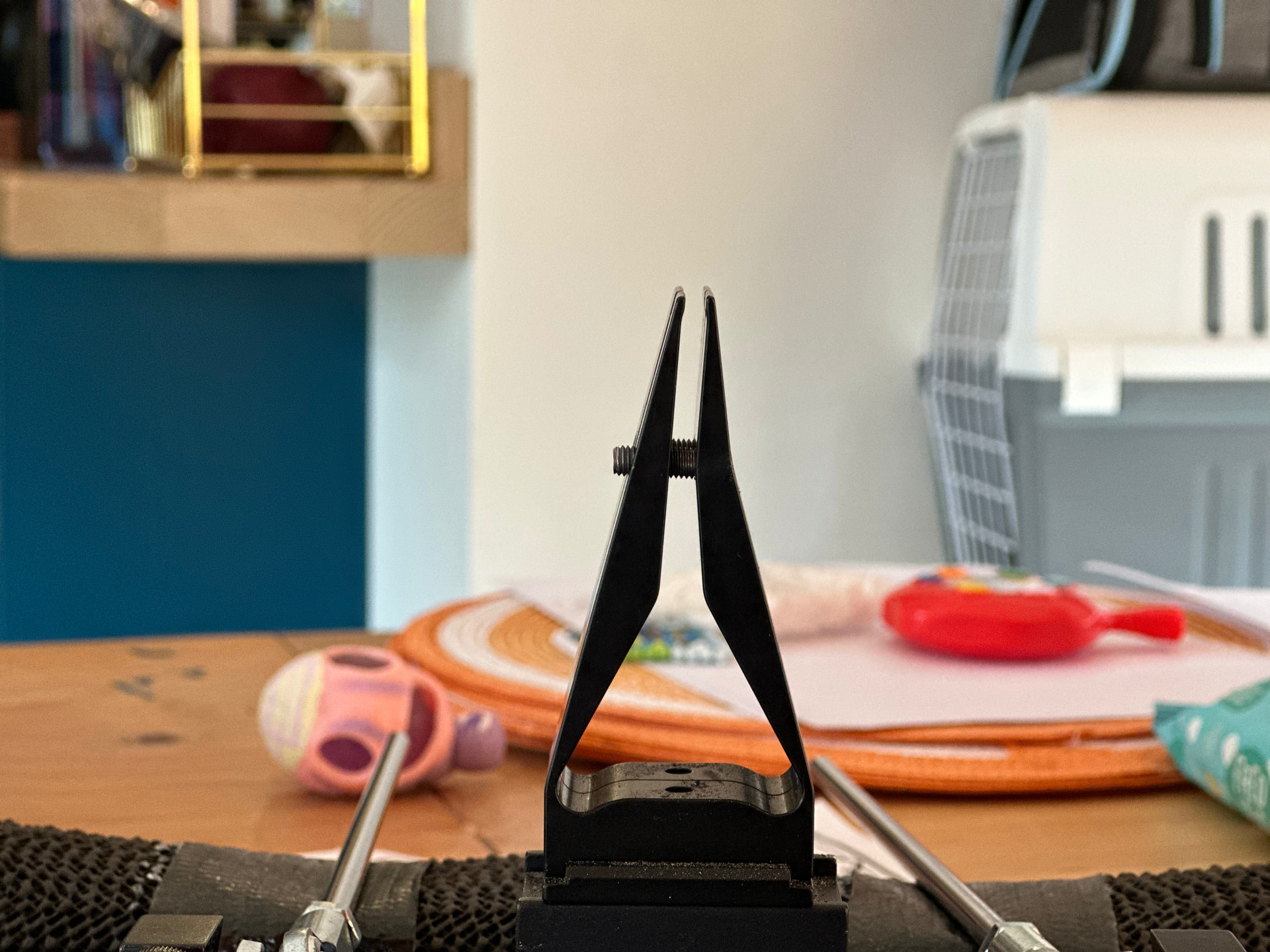
I’ve been using them ok but did notice that it was harder to get them as tight as the original jaws, seemed like they needed more torque. Just noticed today they are bent, see pics attached of the new (bent) ones plus my original ones.
They’ve bent more on one side, presumably because the counter bores for the screw heads mean one side has less metal and will buckle faster. So now the jaws are at an angle, and pretty much unusable.
Now it’s totally possible this is my fault. I’ve been using those original jaws since 2011 so maybe I shouldn’t have treated the new ones the same, perhaps I overtightened but as I said I was struggling to get to the point where I couldn’t easily move the knife (typically kitchen knives for me) up and down by raising / lowering the handle while it was in the vise, so wanted to make sure it was secure before I started sharpening.
Not really sure what to do, because even if I bought the new jaws again I feel as though I’d still be disappointed with the clamping force and end up getting frustrated / overtightening again.
…
Copied from our conversation in the Facebook user’s group:
Hey Jamey Howard,
Great post and pictures. I think I can shed some light. These new jaws require a fraction of the force that the older jaws require to securely hold a knife. They are self-centering and lean inwards to adapt to fully flat ground blades. They also twist slightly to conform to distal tapers. The addition of the second jaw improves clamping on distal tapers even more. The addition of the Blade Stops provides another contact point and prevents the knife from slipping downward. All these features work together to provide many contact points on the blade and reducing the force clamping for needed. The older system was much less adaptable and relied on brute force to hold the knife in place. To get the most out of these jaws, it’s best to practice the following:
Always use the Blade Stops - they prevent the blade from tipping front to back and from sliding downward.
Adjust the screws until the jaws make contact with the blade. Go another 1/2 turn past that point.
Do not test the security of the knife by moving the handle - the leverage is much to strong and the knife is sure to move regardless of how well it’s clamped. Instead, pinch the blade by the spine (from below) right in front of the jaws and test to see if it moves easily. If it takes any force to move the knife, then it’s securely clamped.
Only tighten the screws a little at a time and only if the knife is moving while you’re sharpening.
The new system takes a little getting used to if you’ve been using the older style vise for a long time.